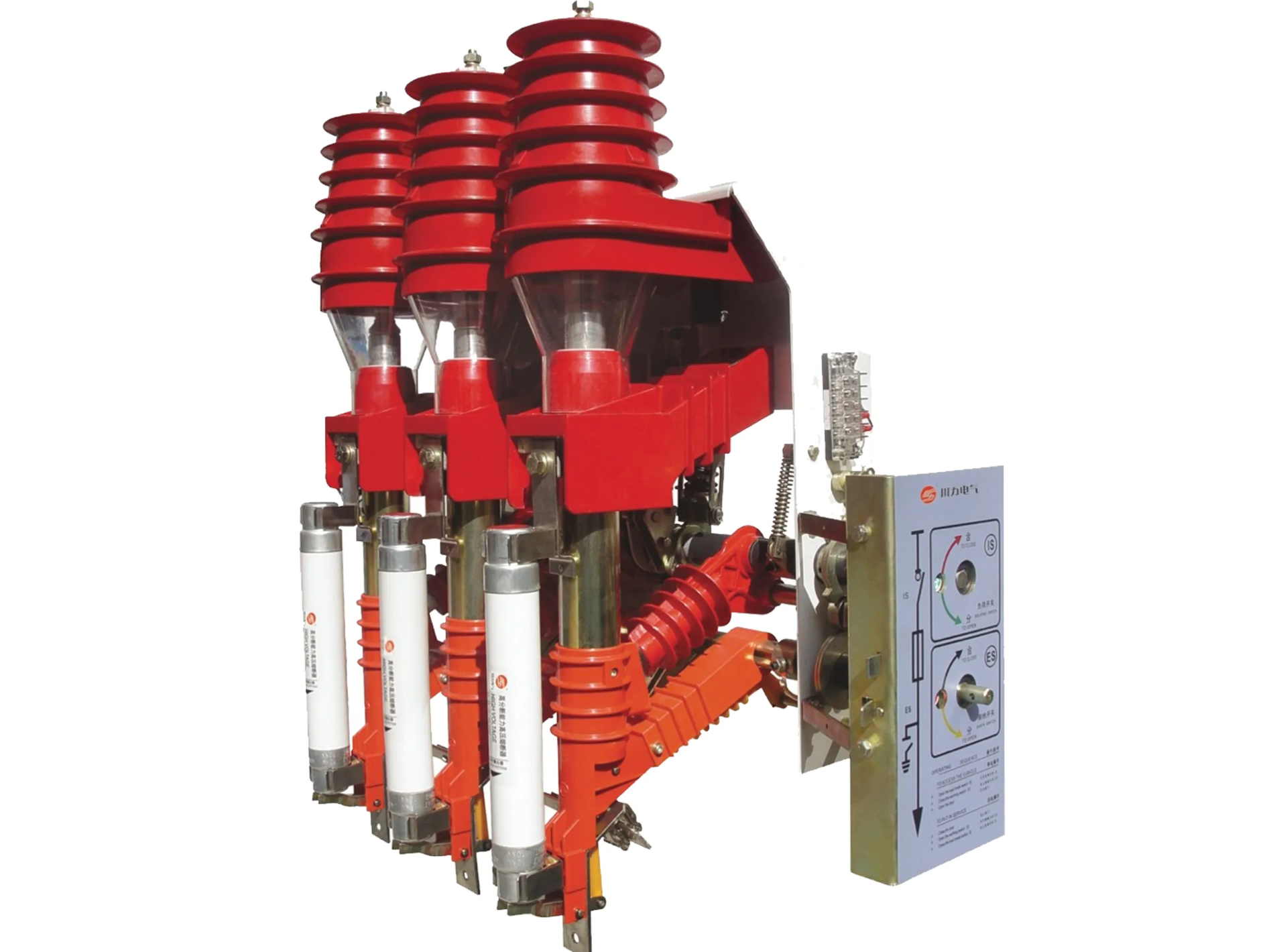
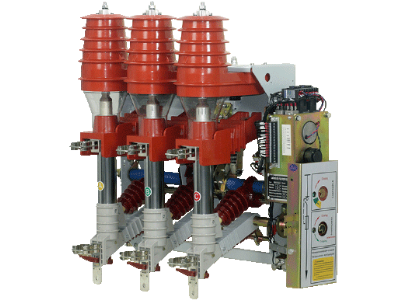
A Load Break Switch (LBS) is a medium- to high-voltage switching device used in electrical power distribution systems to safely make, carry, and break normal load currents. It is designed with arc-extinguishing mechanisms such as SF₆ gas, vacuum, air, or oil to safely interrupt current during switching operations.
The LBS provides a reliable isolation point for electrical equipment, ensuring safe maintenance and operational control. While it can switch circuits under normal load conditions, it cannot interrupt high fault currents, so it is often used together with HRC fuses or circuit breakers for protection.
Load Break Switches are commonly used in distribution networks, ring main units (RMUs), substations, industrial plants, and renewable energy systems due to their simplicity, reliability, and cost-effectiveness. ⚡