🔋 Distribution & Power Transformer
Key Info
| Power Transformer | : | 33kV, 138kV, 230kV, 500kV, 765kV |
| Distribution Transformer | : | 11kV, 12.47kV, 25kV, 33kV → 240V, 415V |
| Voltage Regulation | : | Distribution transformers step down high-voltage electricity to lower voltages suitable for consumers, ensuring stable voltage supply. |
| Tap Changer Mechanism | : | They utilize tap changers to adjust voltage output, compensating for input voltage variations. |
| Power Transformer | : | Double wound (low-voltage and high-voltage) |
| Distribution Transformer | : | Typically single-phase or three-phase |
| Distribution Transformer | : | 11kV–33kV (input), 240V–415V (output) |
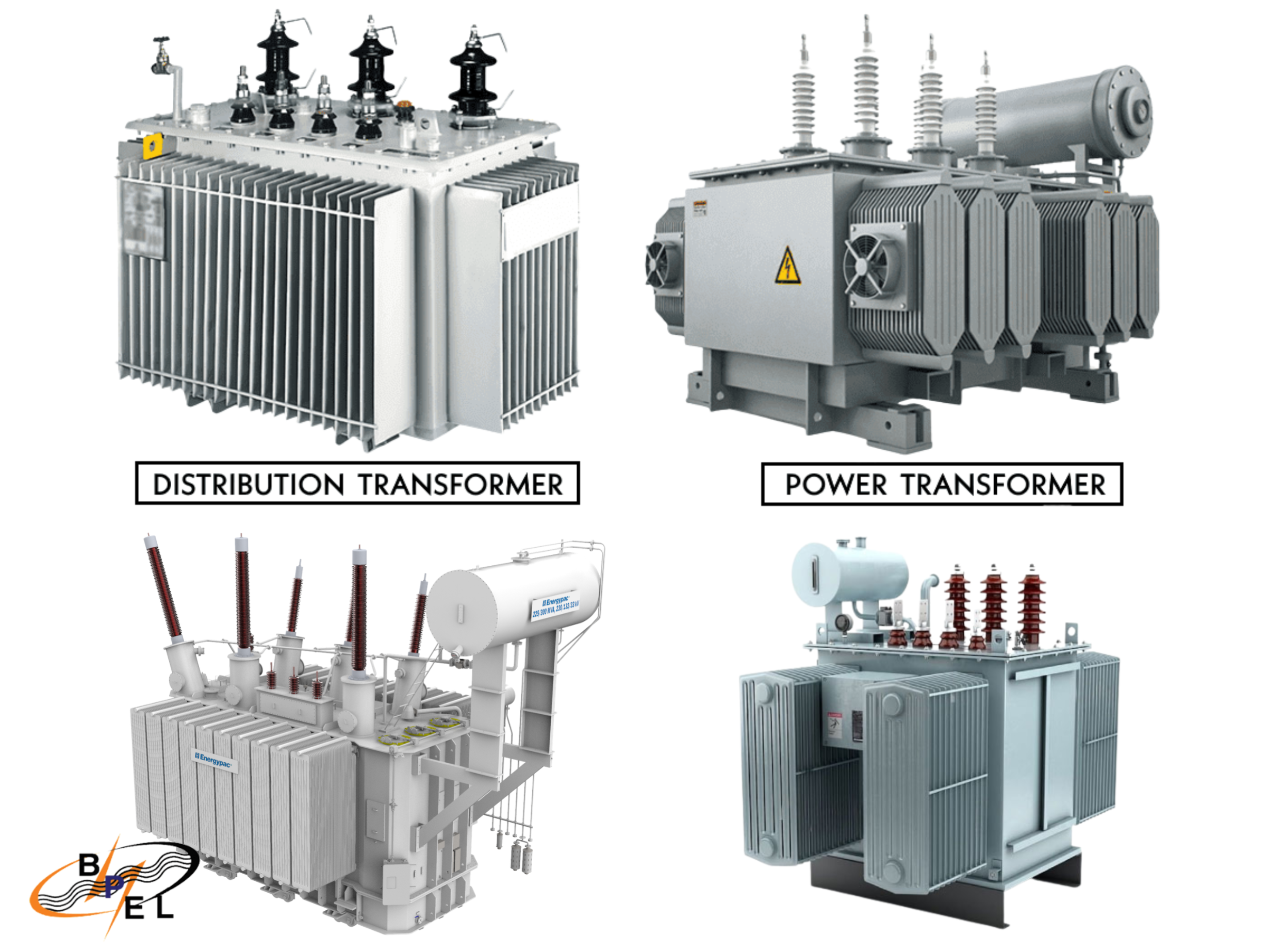
Power transformers and distribution transformers serve distinct roles in electrical systems. Power transformers manage high voltage transmission, supporting long-distance energy transfer. Distribution transformers step down voltage, delivering electricity safely to homes and businesses. Professionals, students, and industry stakeholders need to recognize these differences to select the right equipment for each application. DELIXI offers a wide range of transformer solutions, showcasing advanced technology and reliable performance.
Key Takeaways
- Power transformers handle high voltage, enabling long-distance electricity transmission with minimal energy loss.
- Distribution transformers step down high voltage to safe levels for homes and businesses, ensuring safe electricity delivery.
- Choosing the right transformer type is crucial for efficient power systems; power transformers are for transmission, while distribution transformers are for local supply.
- Both transformer types feature advanced insulation and cooling systems, enhancing safety and reliability in electrical networks.
- Understanding the differences between these transformers helps professionals select the best equipment for their specific needs.
Key Differences in Purpose and Function
Power Transformer Role in Transmission
- A power transformer plays a central role in power transmission networks. Engineers use these transformers to step up voltage at power plants, which allows electricity to travel long distances with minimal loss. When electricity reaches substations near populated areas, power transformers step down the voltage for safer distribution. These machines connect power generation facilities to transmission lines, forming the backbone of the electrical grid.
- Power transformers are essential for stepping up voltage in power plants to enable efficient long-distance transmission.
- They also step down voltage at substations for safe distribution to consumers.
- These transformers facilitate the connection between power generation and distribution networks, ensuring effective electricity delivery.
- High-voltage transmission systems, such as HVDC, rely on power transformers to maintain efficiency. By increasing voltage and reducing current, these transformers minimize resistive losses. Even small improvements in transformer efficiency can result in significant energy savings. DELIXI’s 33kV Power Transformer demonstrates these capabilities in modern networks. Its advanced insulation and cooling systems support stable operation, making it a reliable choice for industrial and commercial power transmission.
Note: Power transformers are designed for continuous operation under heavy loads, which is critical for maintaining the stability of large-scale power transmission systems.
Distribution Transformer Role in End-User Supply
- A distribution transformer operates at the final stage of the power transmission process. Its main function is to step down high voltage from transmission lines to a level suitable for homes, businesses, and factories. This ensures that electricity reaches end-users safely and efficiently.
- Distribution transformers are essential for stepping down high voltage electricity from power lines to a lower voltage level suitable for household or commercial use.
- They ensure the safe and efficient delivery of electricity to end-users.
- The main purpose of a distribution transformer is to regulate power voltage, ensuring safety and efficiency in the power supply system.
- A distribution transformer reduces high voltage (e.g., 11,000 volts) to a safe level (e.g., 230 volts) for home appliances.
- They play a crucial role in the last stage of the power transmission system, ensuring that the voltage is suitable for local consumption.
- Distribution transformers also help maintain voltage stability at the consumer level. They use tap changers to adjust output voltage, compensating for fluctuations in input voltage. This protects electrical equipment and ensures a consistent power supply.
| Function | Description | Voltage Regulation | Distribution transformers step down high-voltage electricity to lower voltages suitable for consumers, ensuring stable voltage supply. | Tap Changer Mechanism | They utilize tap changers to adjust voltage output, compensating for input voltage variations. |
- DELIXI’s Distribution Transformer features advanced insulation and a hermetically sealed design, which prevents oil leakage and reduces maintenance. Its compact structure allows easy installation in residential and commercial areas. These transformers support reliable power delivery, making them vital for modern power networks.
Tip: Distribution transformers are often installed on utility poles or in ground-level enclosures, providing the final link between the power grid and end-users.
Technical Specifications Comparison
Voltage and Power Ratings
- Voltage and power ratings set the foundation for how transformers operate in electrical systems. Power transformers handle much higher voltage levels and power ratings than distribution transformers. DELIXI’s 33kV Power Transformer, for example, manages medium voltage networks and supports large-scale industrial and commercial applications. In contrast, the DELIXI Distribution Transformer works at lower voltage levels, making it suitable for residential and local commercial use.
- The following table shows the typical voltage and power ratings for each type:
| Transformer Type | Voltage Rating | Power Rating | Application | Power Transformer | Greater than 33kV | Megavolt-amperes (MVA) | Power generation stations and transmission substations | Distribution Transformer | Less than 33kV (industrial) | 440V-220V (domestic) | Kilovolt-amperes (kVA) | Distribution of electrical energy to remote locations |
- Power transformers operate at higher voltage levels and support the transmission of large amounts of electricity. Distribution transformers step down voltage for safe delivery to end-users.
Winding Configuration
- Winding configuration affects how transformers transfer energy and manage loads. Power transformers usually have a double-wound design, with separate windings for high and low voltage sides. This setup allows for better insulation and supports high voltage operations. DELIXI’s 33kV Power Transformer uses this configuration to ensure safety and efficiency in demanding environments.
- Distribution transformers often use single-phase or three-phase winding configurations. These designs fit the needs of local power distribution, where loads are smaller and more varied. DELIXI’s Distribution Transformer offers both options, making it flexible for different installation sites.
- Here is a comparison of winding configurations:
| Transformer Type | Winding Configuration | Power Transformer | Double wound (low-voltage and high-voltage) | Distribution Transformer | Typically single-phase or three-phase |
Efficiency and Load Handling
- Efficiency measures how well a transformer converts input power to output power with minimal losses. Modern power transformers, like DELIXI’s 33kV model, achieve high efficiency levels ranging from 95% to 99.7%. These transformers perform best under full load conditions, which is common in transmission networks.
- Distribution transformers are designed for variable loads. They often operate at lower efficiency than power transformers, especially when the load fluctuates throughout the day. However, DELIXI’s Distribution Transformer uses advanced materials and insulation to keep energy losses low, even during light load periods.
- Key points on efficiency and load handling:
- Power transformers reach up to 99.7% efficiency under standard load.
- Distribution transformers maintain reliable performance across a wide range of loads.
- DELIXI’s designs focus on reducing energy loss and supporting stable operation.
Note: High efficiency in transformers reduces energy waste and lowers operational costs, which benefits both utilities and consumers.
- By comparing these technical specifications, engineers and decision-makers can select the right transformer for each stage of the power system. DELIXI’s products provide robust solutions for both high-voltage transmission and local power distribution.
Design and Construction Features
Size and Structure
- Power transformers and distribution transformers differ in size and structure because of their roles in the power system. Power transformers, like DELIXI’s 33kV Power Transformer, have a larger and heavier build. This design supports high-voltage applications and ensures durability under continuous heavy loads. Engineers use high-grade, grain-oriented silicon steel for the core. This material reduces energy loss and keeps the magnetic field stable. The windings, made from copper or aluminum, are built to handle strong electrical and mechanical stress. These features help the transformer last longer and perform reliably.
- Distribution transformers, such as those from DELIXI, have a more compact and lighter structure. Their smaller size makes installation easier in residential and commercial areas. The hermetically sealed design prevents oil leaks and reduces maintenance. Advanced insulation systems, including oil-impregnated or resin-impregnated paper, provide high dielectric strength and protect against voltage surges.
- Here is a comparison of key construction features:
| Feature | Power Transformer (e.g., DELIXI 33kV) | Distribution Transformer (DELIXI) | Core Material | Grain-oriented silicon steel | High-grade silicon steel | Winding | Copper/Aluminum, double-wound | Copper/Aluminum, single/three-phase | Insulation | Oil/resin-impregnated paper | Advanced insulation, hermetic seal | Size | Large, heavy | Compact, lightweight |
Cooling Systems
- Cooling systems play a vital role in transformer performance. Power transformers often use oil cooling methods. Oil acts as both an insulator and a coolant, removing heat from the core and windings. DELIXI’s power transformers use advanced oil-immersed cooling systems, such as ONAN (Oil Natural Air Natural) and ONAF (Oil Natural Air Forced), to maintain stable temperatures even during heavy use.
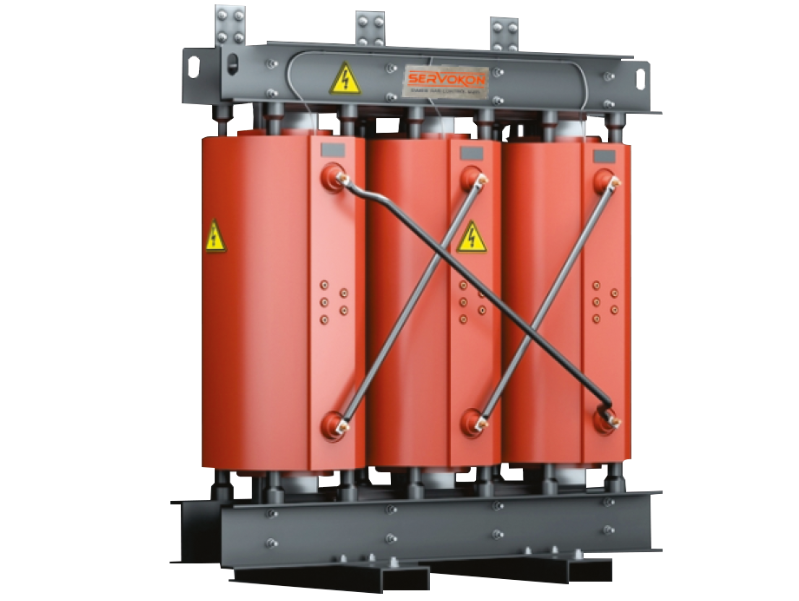
- Distribution transformers also use oil cooling, but some smaller units rely on natural air cooling. Dry-type transformers use air circulation, either natural or forced by fans, to keep temperatures low. Water-cooled systems appear in special industrial applications where high heat dissipation is needed.
- The table below summarizes common cooling methods:
| Cooling Method | Application | Oil Cooling | Power and distribution transformers | Natural Air Cooling | Small distribution transformers, dry-type | Forced Air Cooling | Dry-type, higher capacity units | Water Cooling | Industrial, high heat environments |
- Advanced cooling technologies improve reliability and extend transformer life. Efficient cooling prevents insulation aging and allows transformers to handle higher loads without increasing size. DELIXI’s transformers use these technologies to ensure safe, long-lasting operation in various environments.
Tip: Proper cooling not only protects the transformer but also reduces maintenance costs and improves energy efficiency.
Operation and Performance
Operating Periods
- Power transformers and distribution transformers operate under different conditions in the power grid. Power transformers run continuously. They support long-distance transmission and rarely shut down. Utilities design these transformers for minimal downtime because they form the backbone of the electrical network. Distribution transformers, on the other hand, may not operate all the time. Their activity often depends on local demand. During periods of low electricity use, such as late at night, some distribution transformers may experience inactivity.
- The table below highlights these differences:
| Transformer Type | Operating Period Description | Power Transformers | Operate continuously, designed for long-distance power transmission with minimal downtime. | Distribution Transformers | May have varying operating periods, can experience inactivity during low-demand periods. |
- Load cycles also affect how these transformers perform over time. Heavy or frequent load changes can cause internal heat to build up. Overloading, especially if it happens often, can damage insulation inside the transformer. Damaged insulation shortens the transformer’s lifespan. Utilities and engineers must monitor load cycles to protect these valuable assets.
- Load cycles can lead to severe internal heat generation in transformers.
- Frequent overloading results in premature aging of insulation components.
- Compromised insulation integrity can significantly shorten the operational lifespan of transformers.
- DELIXI’s transformers use advanced insulation and cooling systems. These features help manage heat and extend service life, even under demanding load cycles.
Voltage Regulation and Safety
- Voltage regulation ensures that end-users receive stable and safe electricity. Power transformers maintain voltage levels during transmission. Distribution transformers adjust voltage for homes and businesses. Both types must handle voltage fluctuations and protect against electrical hazards.
- Modern transformers, including those from DELIXI, include several safety features:
- High voltages can cause electrical shock if not handled properly. Proper safety procedures and personal protective equipment (PPE) are essential.
- Oil-filled insulation can be flammable. Careful handling and disposal reduce fire risks.
- Sparks or arcs can lead to explosions if flammable materials are nearby. Proper grounding and bonding are crucial.
- Heavy transformers require proper lifting techniques to prevent injury.
- Hazardous materials in transformers must be disposed of responsibly to protect the environment.
- DELIXI’s transformers feature robust insulation, hermetically sealed designs, and advanced cooling. These elements improve safety and reliability. Their products help utilities deliver stable power while protecting workers and the environment.
Note: Reliable operation and strong safety features make DELIXI transformers a trusted choice for modern power systems.
Applications in Power Systems
DELIXI Power Transformer Use Cases
- DELIXI power transformers support many sectors by ensuring reliable and efficient electricity delivery. These transformers play a key role in both industrial and utility environments. The table below shows common application scenarios for power transformers across different industries:
| Sector | Application Scenario | Energy & Utility | Used in power plants to send electricity over long distances and step down voltage for safe distribution. | Factories | Provide the necessary electricity for large machinery in manufacturing processes. | Oil & Gas | Supply reliable power for drilling, processing, and transporting oil and gas in remote locations. | Renewable Energy | Connect renewable sources like wind and solar to the power grid for efficient electricity distribution. | Commercial Buildings | Manage electricity for lighting, elevators, and climate control in large buildings. | Hospitals | Ensure a steady power supply for critical medical equipment to prevent outages. | Transportation | Power electric trains, railways, and charging stations for electric vehicles. | Telecommunications | Maintain reliable power for cellphone towers and internet data centers. |
- DELIXI’s 33kV Power Transformer helps these sectors maintain stable operations. Its advanced insulation and cooling systems support heavy loads and continuous use. Many industries rely on DELIXI transformers to keep their power systems safe and efficient.
DELIXI Distribution Transformer Use Cases
- DELIXI distribution transformers serve as the final link in the power supply chain. They deliver electricity safely to homes, businesses, and public facilities. These transformers offer several benefits in different environments:
- Voltage transformation reduces high transmission voltages to safer levels for residential and commercial use.
- Distribution networks use these transformers to manage voltage throughout the system.
- Compact designs fit urban and rural settings, making installation flexible.
- Durable insulation protects against outdoor conditions.
- Cooling systems prevent overheating and support reliable operation.
- Regulation features keep output voltage stable, even when the power grid fluctuates.
- Energy loss reduction helps optimize power consumption.
- Backup capability maintains power continuity during transformer failures.
- Smart applications allow remote monitoring and performance tracking.
- DELIXI’s distribution transformer solutions support schools, hospitals, commercial complexes, and residential neighborhoods. These products help ensure that communities and businesses receive safe, stable, and efficient power.
DELIXI’s expertise in both power and distribution transformers allows the company to serve a wide range of industries, from energy and manufacturing to healthcare and transportation.
Summary of Key Differences
Quick Reference Table
- The differences between power transformers and distribution transformers help professionals choose the right equipment for each stage of the power system. The table below highlights the main distinctions:
| Feature | Power Transformer (DELIXI) | Distribution Transformer (DELIXI) | Voltage Level | High (33kV and above) | Medium to Low (11kV–33kV to 240V/415V) | Application | Transmission networks, substations | Local distribution, end-user supply | Size & Structure | Large, heavy, robust | Compact, lightweight, sealed | Efficiency | Highest at full load | High at variable loads | Winding | Double-wound, high insulation | Single/three-phase, flexible design | Cooling System | Advanced oil-immersed, forced air | Oil-immersed, natural/forced air | Operation | Continuous, heavy-duty | Intermittent, depends on demand | Voltage Regulation | Maintains transmission voltage | Steps down for safe end-user supply | Installation Site | Power plants, substations | Utility poles, residential, commercial | DELIXI Advantage | Advanced insulation, reliability | Hermetic seal, energy efficiency |
Tip: Power transformers move electricity over long distances. Distribution transformers deliver safe voltage to homes and businesses.
- Key Points:
- Power transformers handle high voltage and heavy loads in transmission systems.
- Distribution transformers step down voltage for safe use in homes and businesses.
- DELIXI designs both types with advanced insulation, efficient cooling, and robust safety features.
- DELIXI’s expertise in transformer technology ensures reliable performance and long service life. The company’s products support stable power delivery in every part of the electrical grid. Customers benefit from energy efficiency, safety, and easy installation.
- For more details on DELIXI’s transformer solutions, visit DELIXI Electric’s official website.
- System designers see clear differences between power transformers and distribution transformers. Power transformers deliver maximum efficiency at full load and support commercial applications over 10 MVA. Distribution transformers work best at 75% load and serve residential areas under 10 MVA. The table below highlights these practical distinctions:
| Feature | Power Transformers | Distribution Transformers | Design Efficiency | Full load | 75% load | Application | Commercial (>10 MVA) | Residential (<10 MVA) | Power Supply | Continuous, stable |
Regular fluctuations
DELIXI continues to innovate and provide reliable transformer solutions. Readers can review the summary table for a quick recap and explore DELIXI’s products for efficient power systems.